What is airbrushing and how does it work?
Everything you need to know about this discipline can be found here
Learn airbrushing with us.
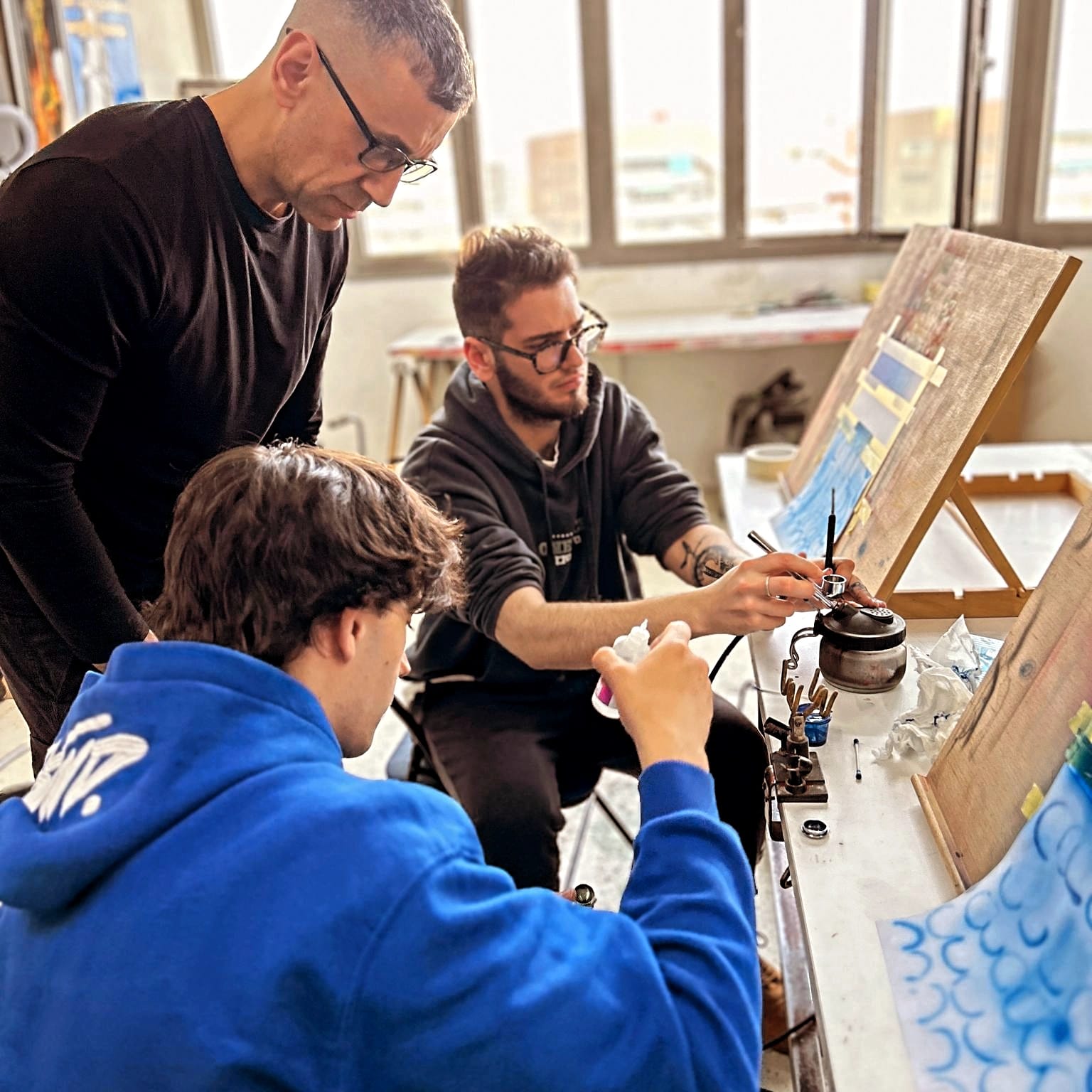
Airbrushing is an artistic technique that uses compressed air to spray paint onto any surface with a precision impossible to achieve by hand. The central tool is the airbrush—an instrument that Alberto Marrondo has been perfecting for over 30 years.
Unlike a conventional paintbrush, the airbrush allows you to create smooth gradients, photorealistic textures, and minute details on any surface: canvas, helmet, car, pastel, or skin. It is this versatility that has made airbrushing a discipline practiced by artists, designers, pastry chefs, and hobbyists worldwide.
Its origins date back to prehistory—early humans were already blowing pigments through tubes to paint in caves. The modern airbrush was patented in 1893 by Charles Burdick, and it has continued to evolve ever since.
How an airbrush works
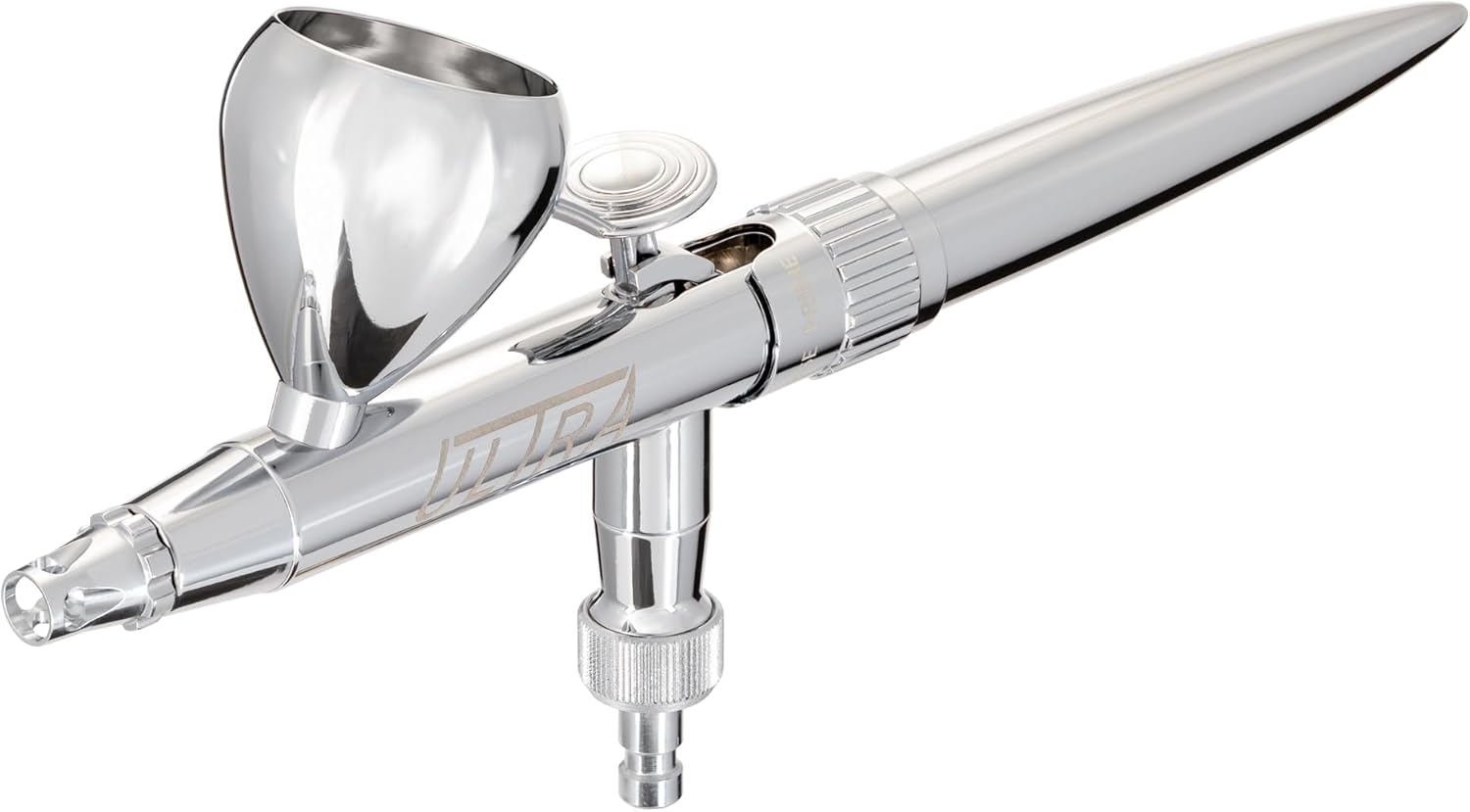
The airbrush works simply: a compressor generates an airflow that, as it passes through the airbrush, draws paint from a reservoir and atomizes it into extremely fine particles. The result is a cloud of color that you can control with pinpoint precision.
The three basic components are the airbrush (the gun), the compressor (which generates the air), and the paint (prepared with the appropriate dilution). With these three elements, and a little practice, you can start creating.
The paint flow and air pressure are regulated with the trigger—a small lever that you control with your index finger. The further you pull back, the more paint comes out. The more you push down, the more air is released. This dual action is what gives the airbrush its ability to create lines as fine as a hair or broad, blurred backgrounds.
What is airbrushing used for?
Airbrushing is used in many different disciplines. These are the most common:
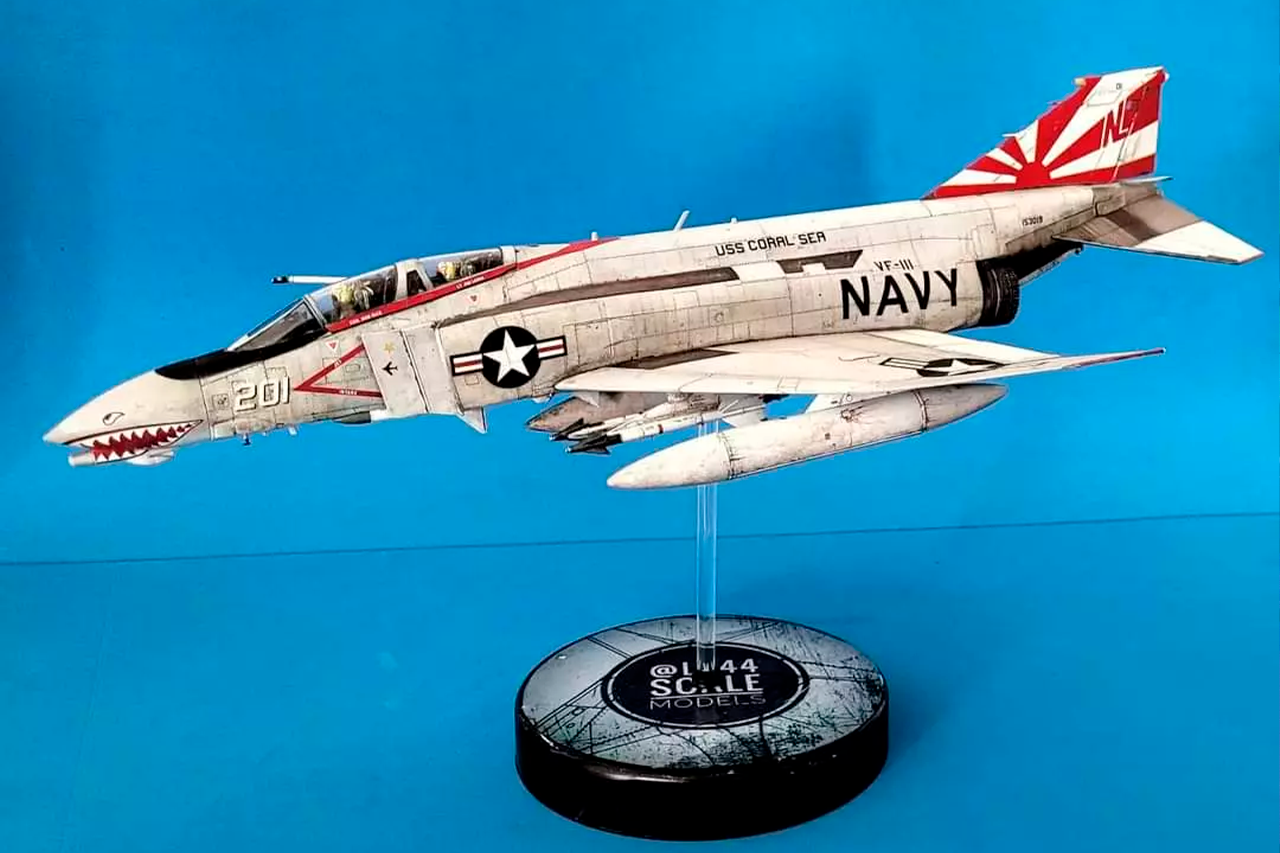
Model Making and Figures
Painting miniatures, collectible figures, and scale models with a level of detail and realism that a paintbrush cannot match.
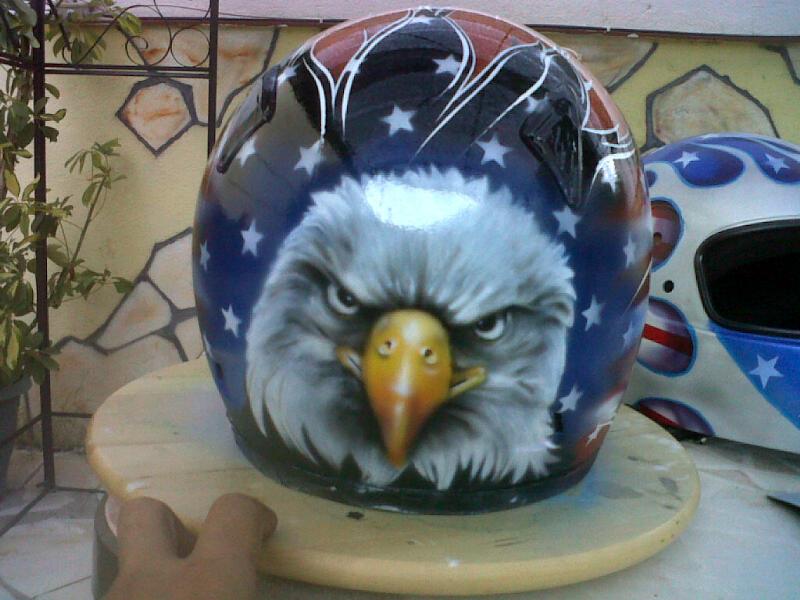
Custom — Personalization
Decorate helmets, skateboards, cars, motorcycle tanks, or any object. Custom art is one of the most in-demand career paths.
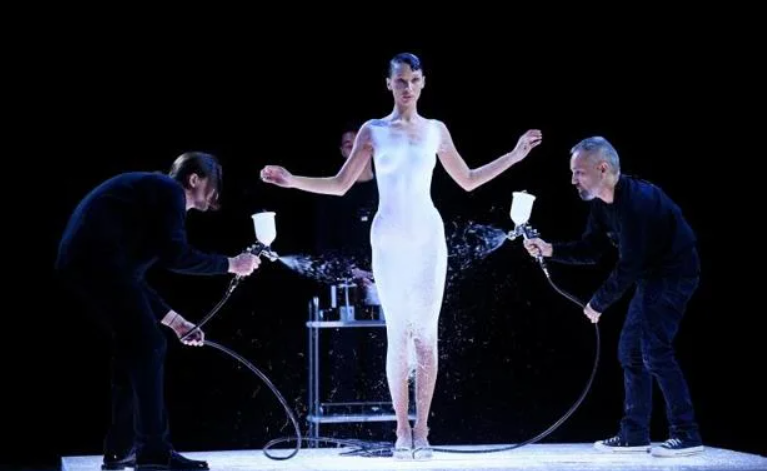
Textile Airbrushing
Personalize t-shirts, sweatshirts, and fabrics with unique designs. Very popular in the streetwear and DIY world.
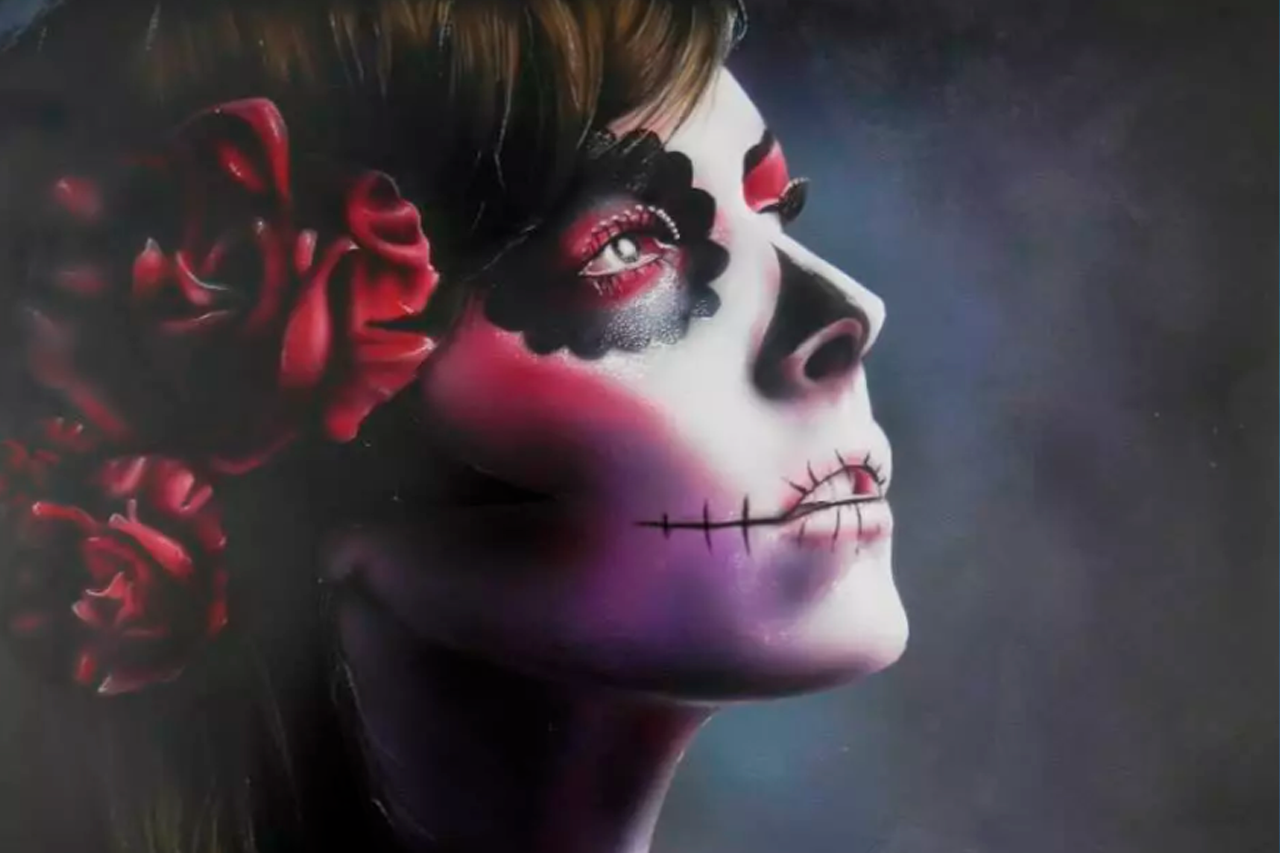
Illustration and Hyperrealism
Creating portraits and illustrations that look like photographs. It requires technique and patience, but the results are spectacular.
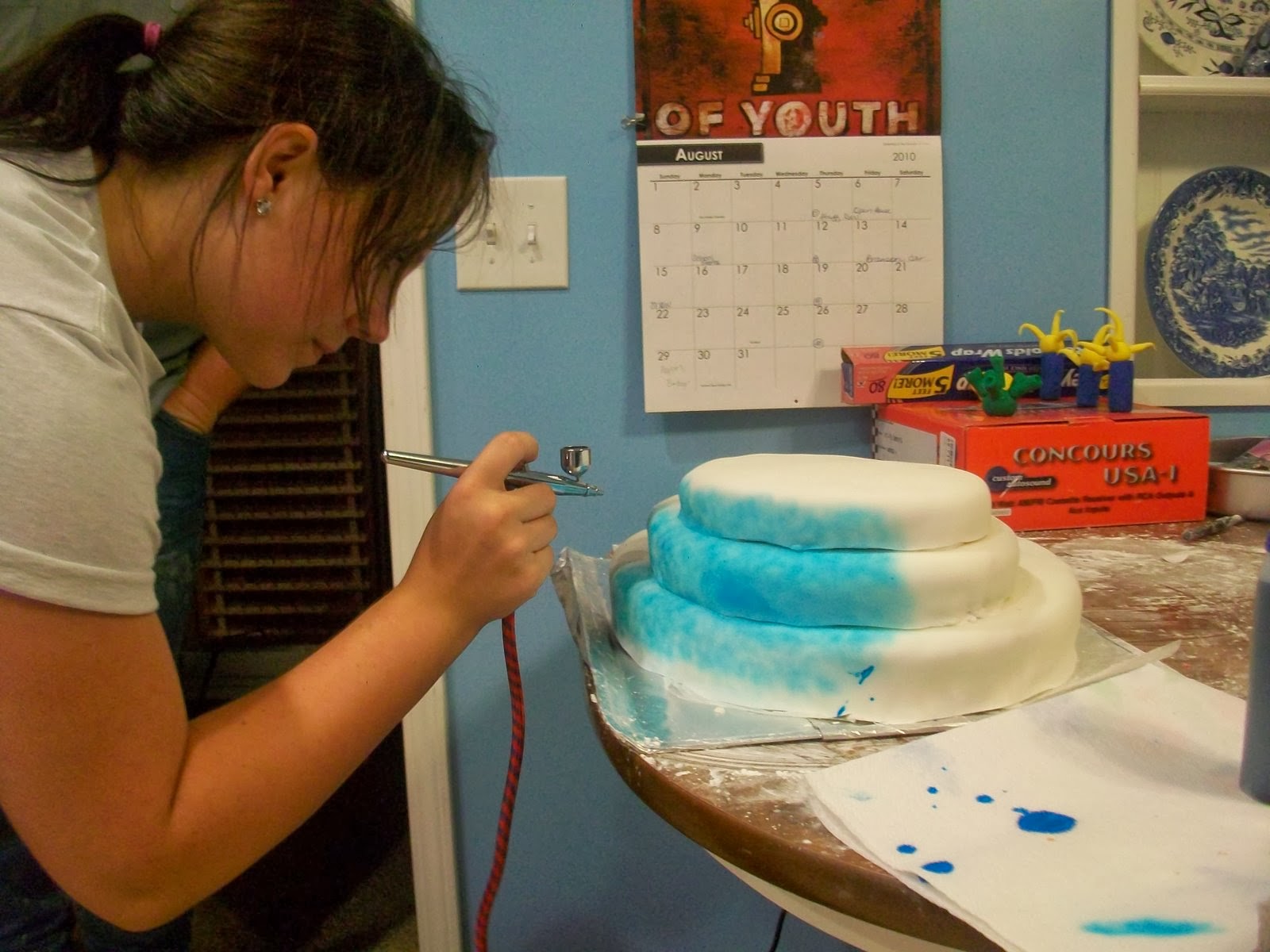
Baking and Pastry
Decorating cakes and pastries with gradients, textures, and details impossible to achieve with a piping bag. A rapidly growing discipline.
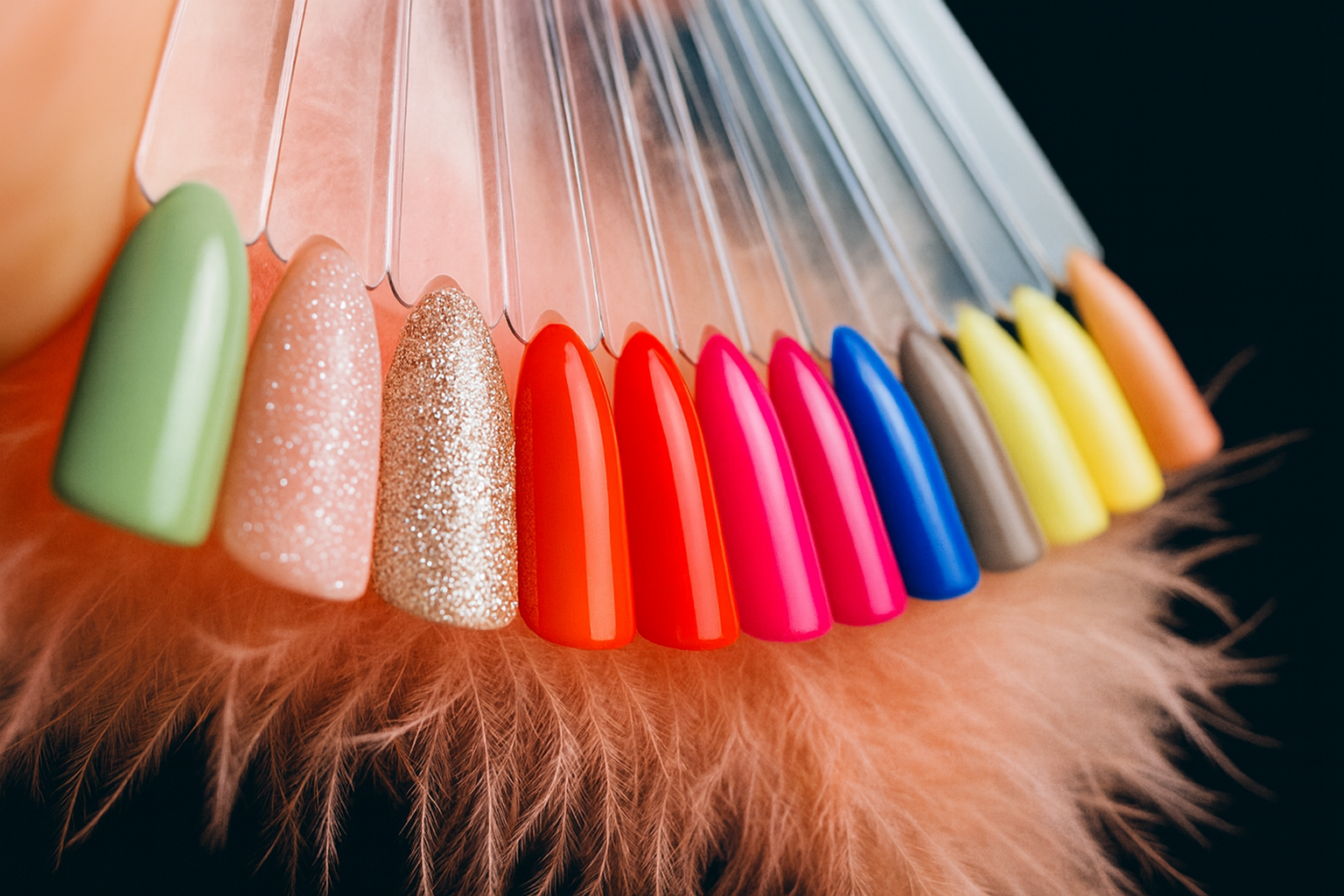
Nail art
Applying artistic makeup for film, theater, events, and body art. A precise and non-invasive technique for the skin.
What do you need to get started with airbrushing?
To get started with airbrushing, you need three essential things: an airbrush, a compressor, and airbrush paint. With a basic starter kit, you can achieve very satisfactory results from day one.
Choosing the right airbrush depends on how you plan to use it—painting 2cm miniatures is very different from decorating a motorcycle. At Qualityairbrush, we have a selection of airbrushes and compressors for all skill levels and budgets.
Is airbrushing difficult to learn?
Airbrushing has a reputation for being complicated, but the reality is that with the right fundamentals, anyone can learn to use an airbrush. The first basic strokes—lines, gradients, dots—can be mastered in just a few hours of practice.
What makes the difference is learning with a solid foundation from the beginning: correct grip technique, trigger control, distances, and pressure. Without that foundation, bad habits develop quickly and are then very difficult to unlearn.
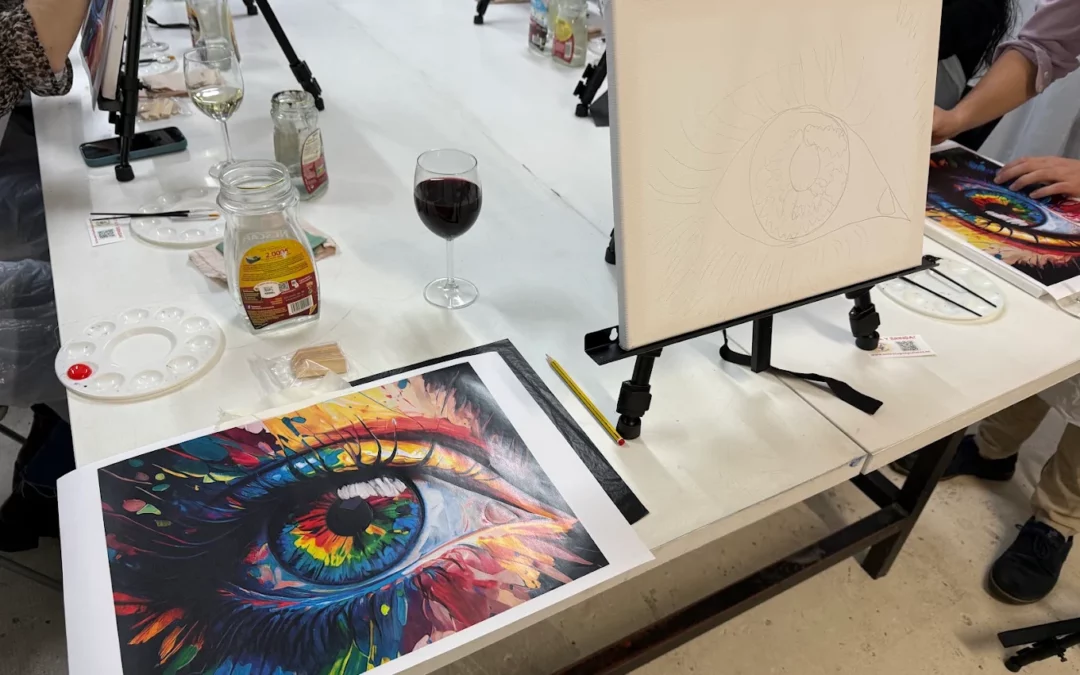
Art & Wine: What It Is and Its History
Discover the origins of “art & wine” and its historical influence on airbrushing as a form of social and gastronomic art.
Frequently Asked Questions about Airbrushing
How much does an airbrush cost to get started?
What is the difference between an airbrush and a paint gun?
The paint gun is designed for quickly covering large surfaces—car bodies, walls. The airbrush is designed for control and detail: fine lines, smooth gradients, and precise work on small to medium-sized surfaces. They are complementary tools, not equivalent.
Is it possible to learn airbrushing without prior drawing experience?
Yes. Airbrushing is a technical discipline that is learned through practice, regardless of whether you have a prior artistic background. Many of the students in Qualityairbrush courses start from scratch and achieve amazing results in just a few sessions.
Do you want to go from theory to practice?
If after reading this you feel you want to take the plunge, at Qualityairbrush we offer in-person and online courses for all levels — from your first stroke to hyperrealism techniques.
Each course is designed by Alberto Marrondo, with over 30 years of experience as a professional airbrush artist.
Whether you practice out of passion, as a hobby, or for professional purposes, our courses are the perfect tool to take your skills to the next level.