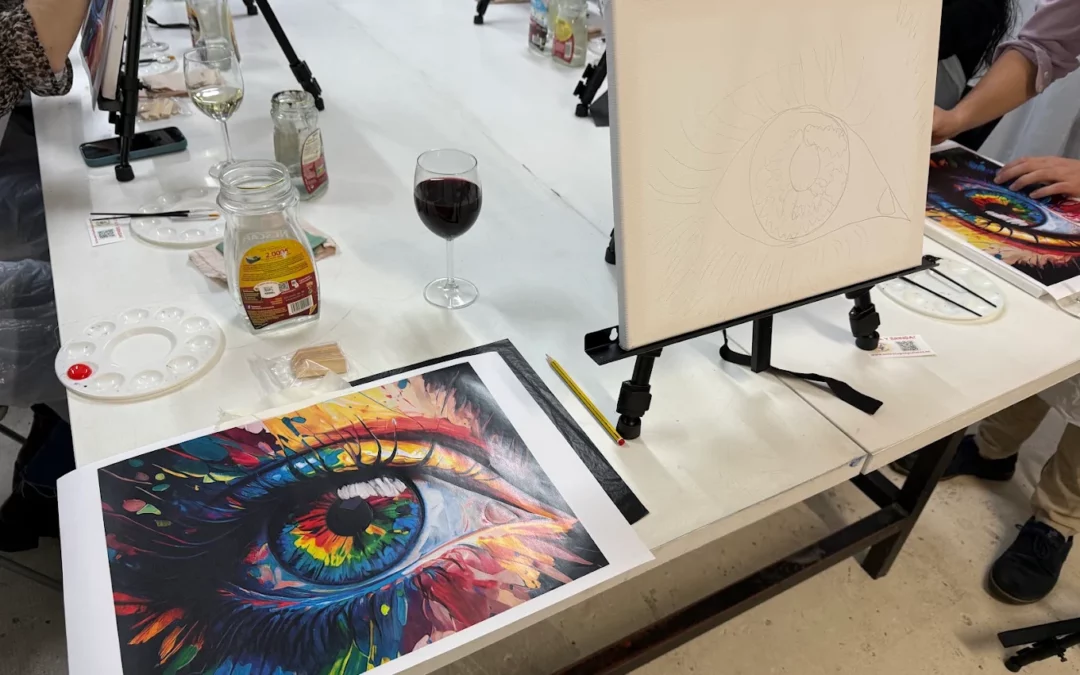
Art has always been influenced by the social and cultural context of each era. Gastronomy, music, and conversation have accompanied numerous artists and creative movements for centuries. Art & Wine is a prime example of this relationship between creativity and shared experience.
For many of us, this concept might seem somewhat unusual or confusing; however, the fact is that Art & Wine does not stem from a strictly defined social or commercial foundation. Rather, wine has long been a cultural element accompanying artists and enthusiasts alike—serving, in particular, as a source of creative inspiration.
Although there are no documented precedents for this specific artistic format, Qualityairbrush is conducting a brief study into the origins of this practice.
Art & Wine: The Cult of Dionysus and Antiquity
In many European cultures—including Celtiberian and Greco-Roman societies—wine was more than just a beverage; it was associated with various aspects of life. For instance, within the Greek pantheon, the god Dionysus (and his Roman counterpart, Bacchus) was consistently depicted as the god of festivity and wine.
He was worshipped in this spirit; rituals associated with him included the Bacchanalia—festivals held in the deity’s honor where participants celebrated with dancing, music, and, above all, plenty of wine.
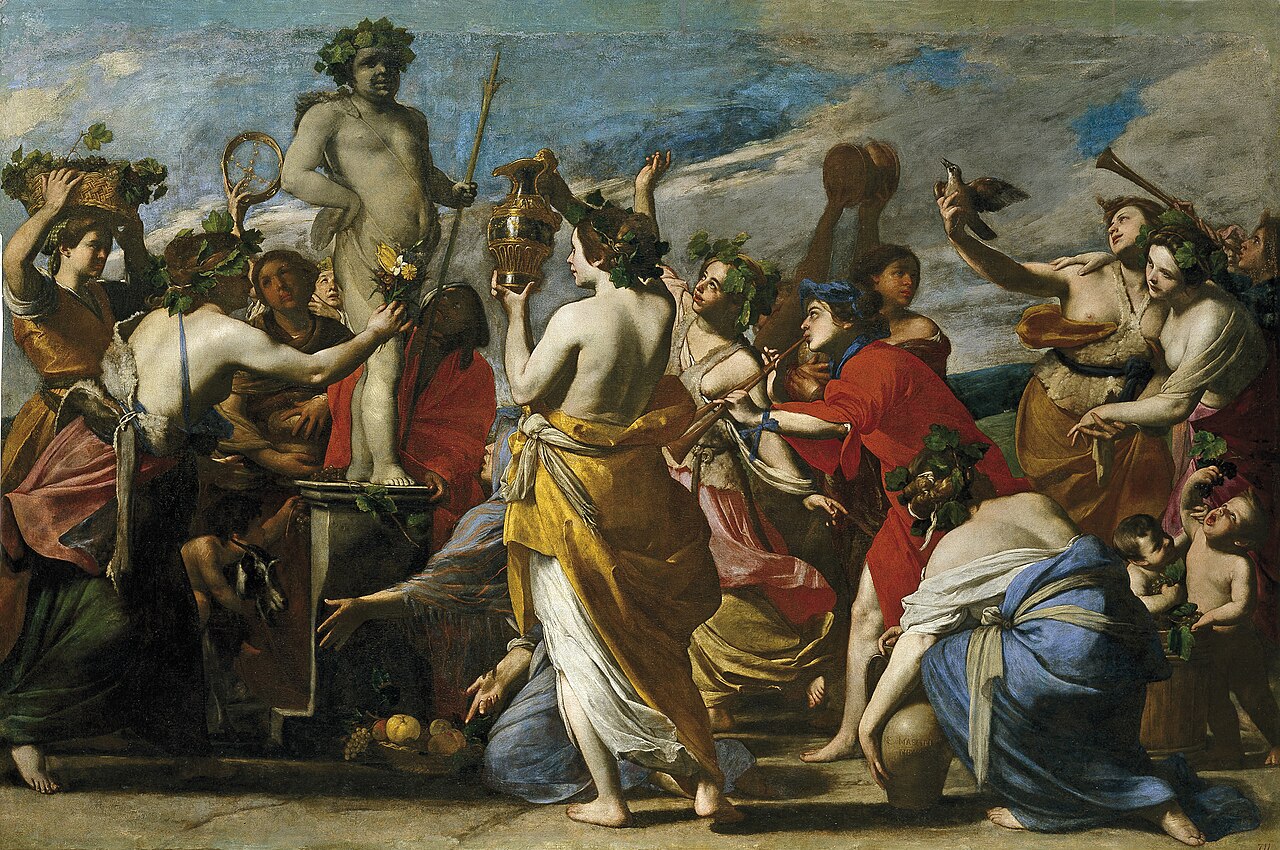
When examining this aspect, we can see that wine has had a close connection to the arts and culture since early antiquity.
On the other hand, the most prominent aspect of wine was likely socializing; Romans and barbarian tribes served wine at their banquets as a symbol of status and prestige to demonstrate their political power or influence. Although barbarian tribes initially consumed undiluted wine (*merum*), over the centuries they adopted the Roman custom.
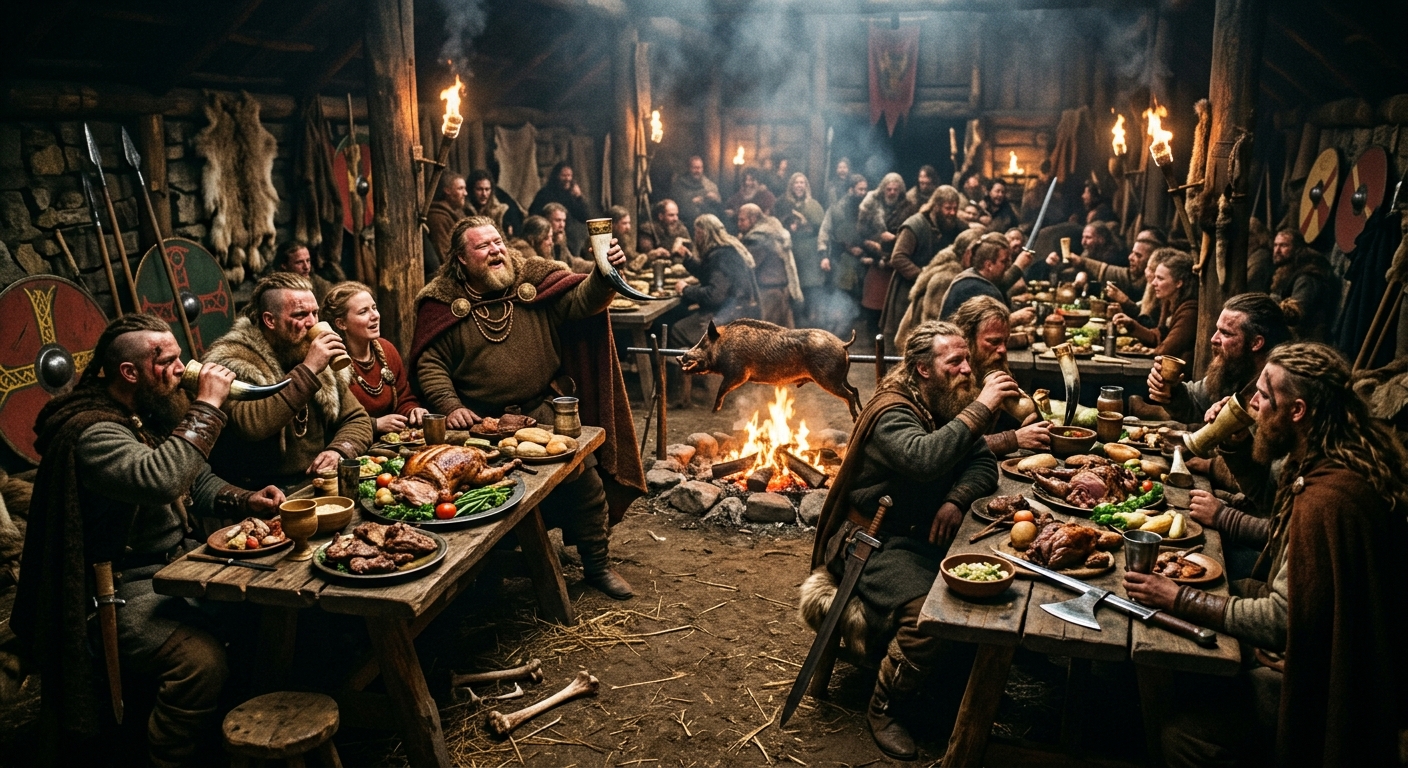
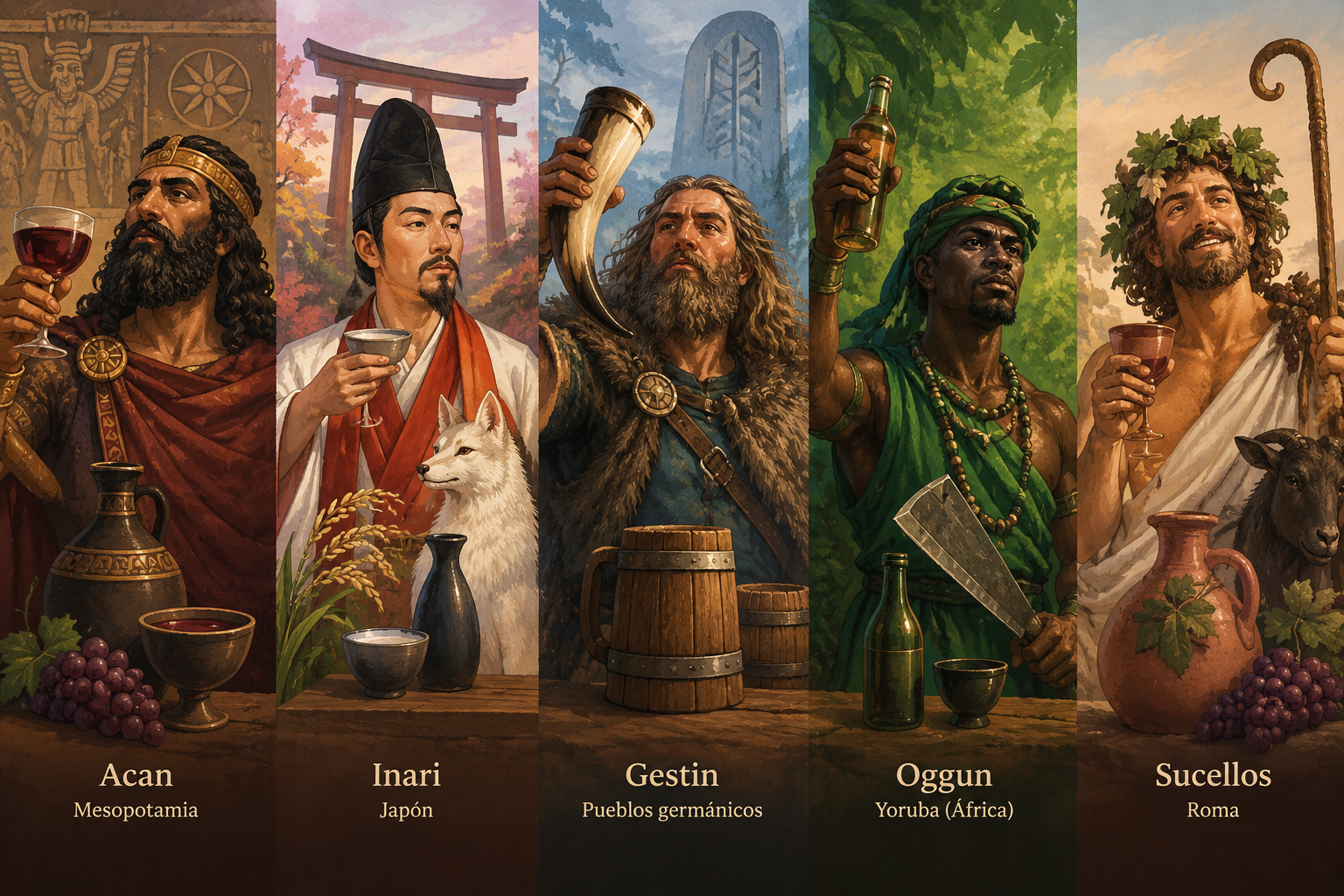
In other cultures, there were equivalent gods—such as Acan, Inari, Gestin, Oggun, and Sucellos—who were also associated with the consumption of wine, beer, and alcohol.
Art & Wine: The Middle Ages and the Eucharist
Once Christianity became the official religion of the Roman Empire, the cultural context of wine shifted completely, becoming associated with the blood of Christ. While it had previously been merely a culinary element linked to festivities or banquets, within this new dogmatic framework, it became associated with the religious significance of the chalice.
Many Christian and Orthodox rituals involved the use of wine, whereas in other religions—such as Islam—it was forbidden, being considered haram.
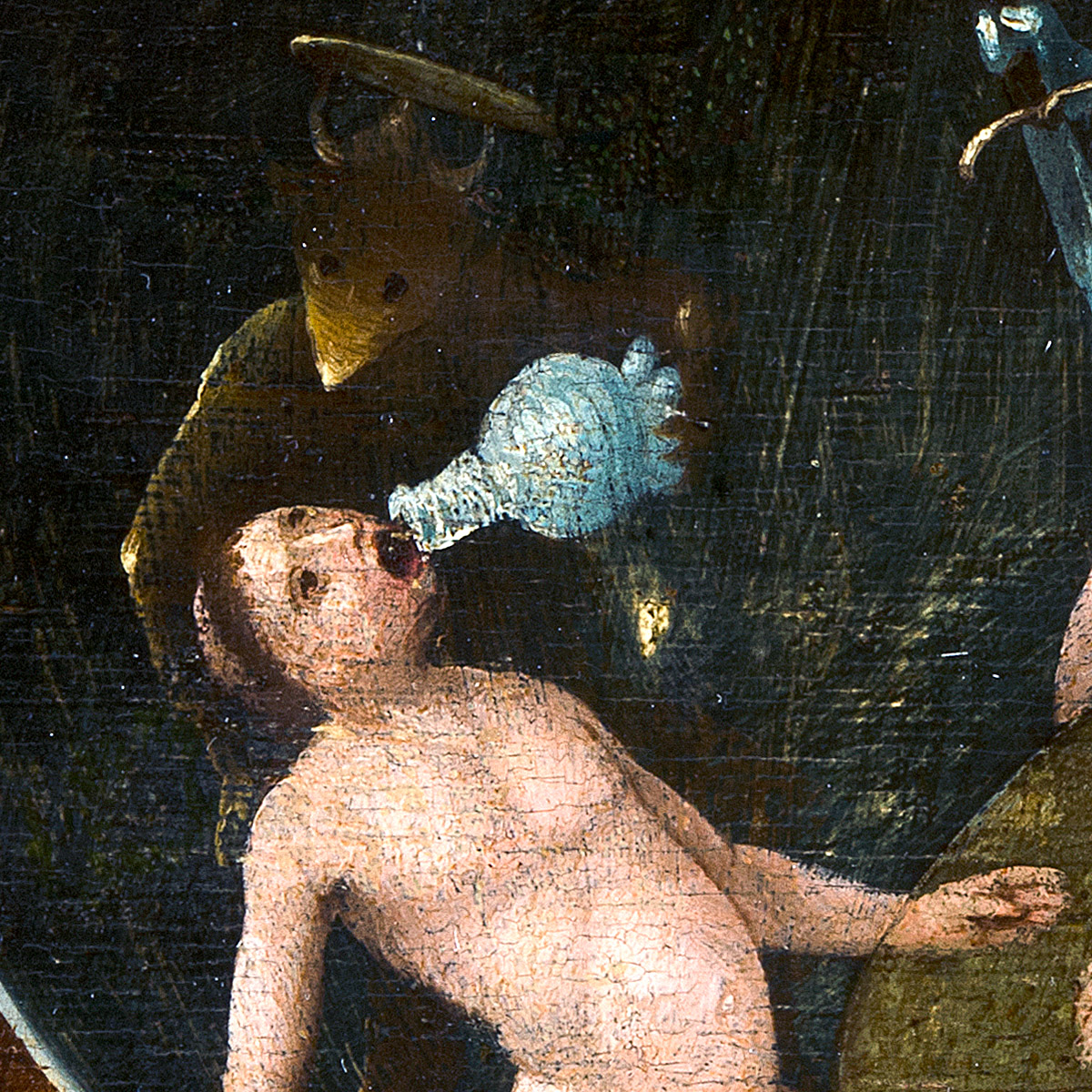
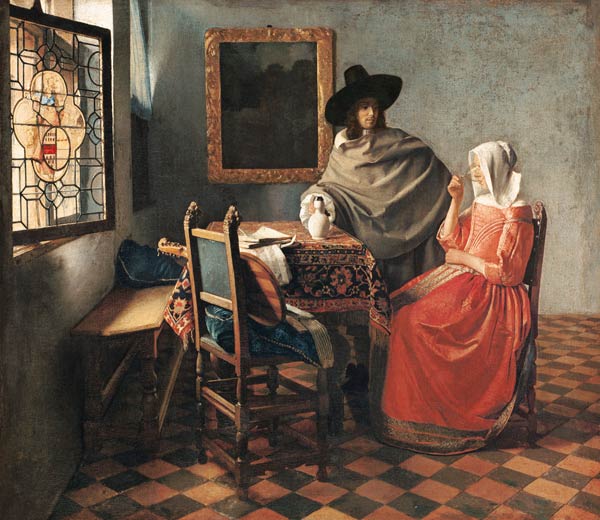
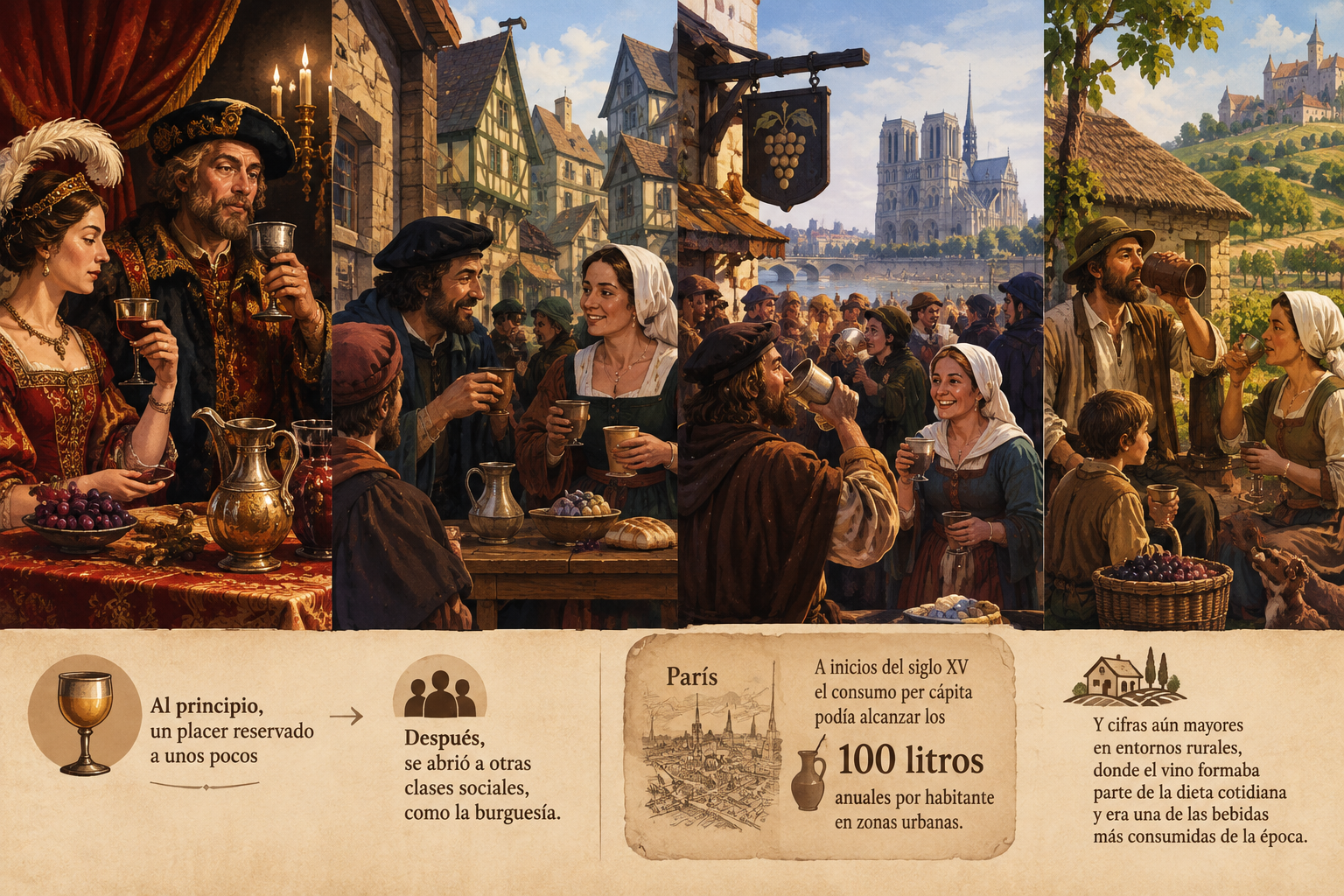
During the Renaissance, families such as the Medici provided significant artistic patronage. Gatherings that brought together music, literature, gastronomy, and wine were commonplace in Italian courts.
Art & Wine: From the Renaissance to the Industrial Revolution
With the Industrial Revolution and the rise of European empires, society underwent a transformation. Many aristocrats and members of the upper class often complemented their education with artistic training.
This engagement with the arts not only provided a theoretical foundation but also opened the door to sharing passions and hobbies with others. The literary and artistic salons of 19th-century Paris—spaces for conversation frequented by writers, painters, and musicians—hosted gatherings where wine was an essential element of creative dialogue.
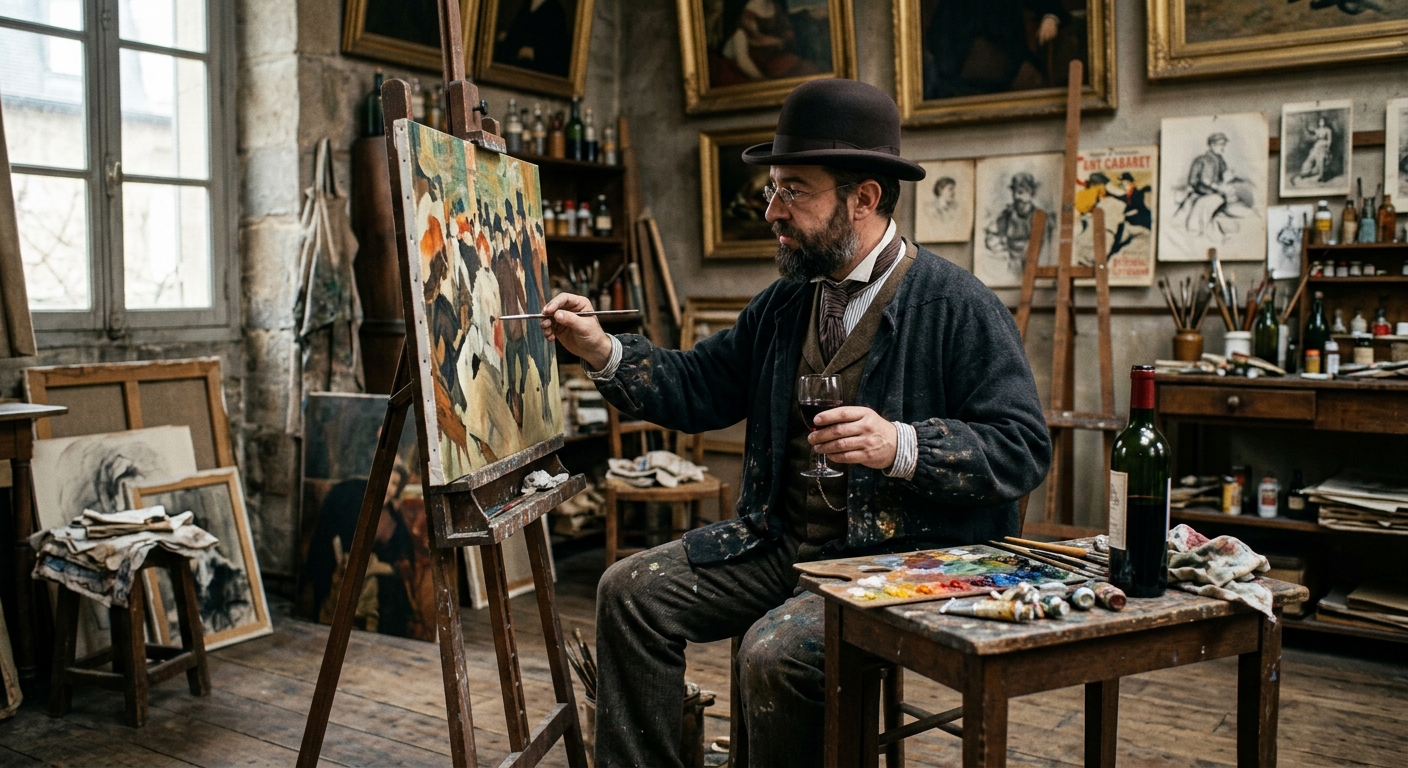
This custom likely stemmed from a rich historical and cultural background rooted in antiquity. Some artists even used it as a painting medium (*wine art*).
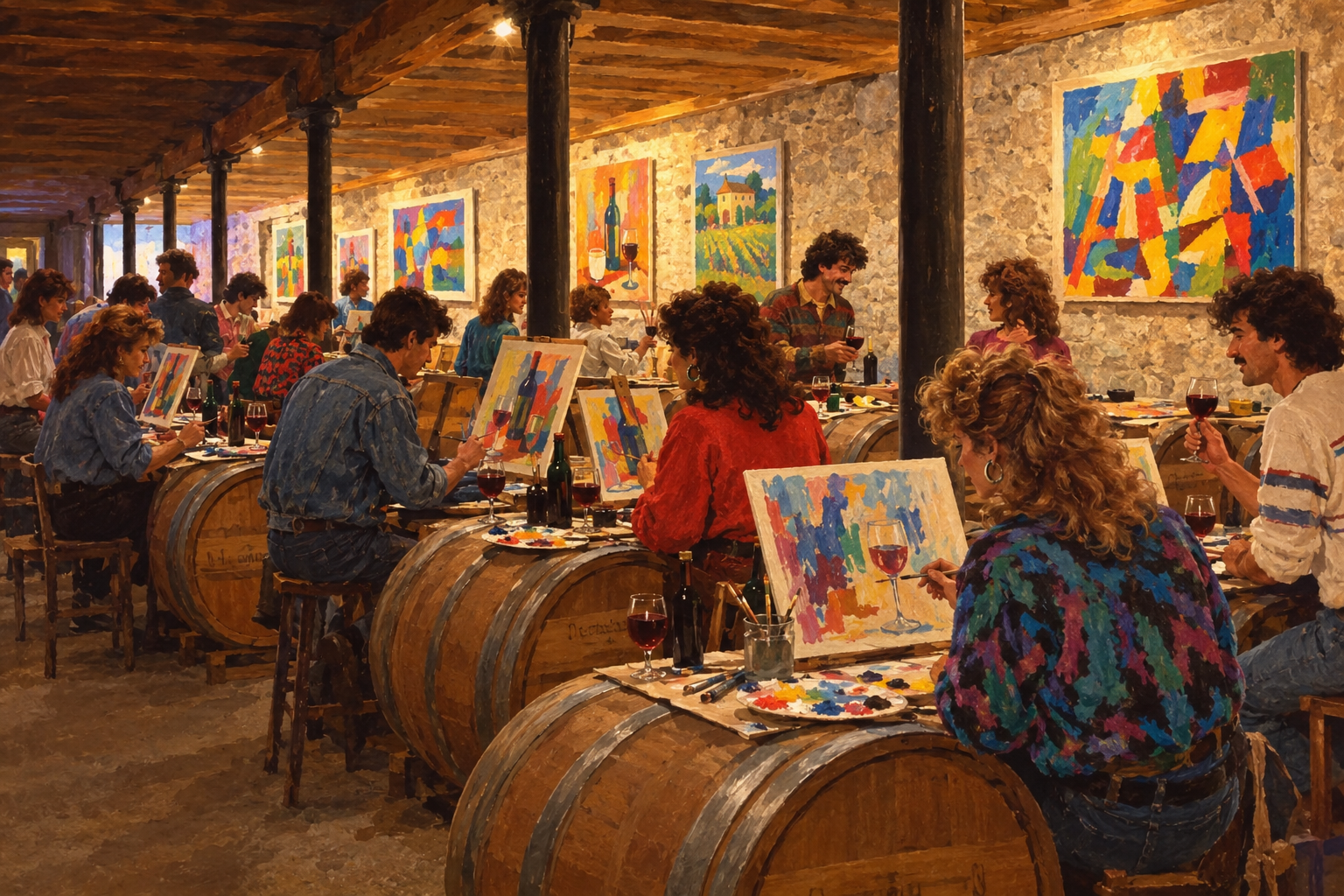
Venues such as wineries were used to host creative gatherings, often incorporating both painting and music.
The modern concept of Paint & Wine began to gain popularity in the United States during the first decade of the 21st century and subsequently spread across Europe, becoming an ideal activity for social events, corporate gatherings, and groups of friends.
Art & Wine: Current Trends
In recent years, various disciplines—such as airbrushing—have also adopted these practices, though within a context that is more social than creative.
The contemporary “paint & wine” model combines a guided painting session with wine tasting in a relaxed atmosphere: an experience designed both for those with an artistic background and for those who have never picked up a paintbrush or an airbrush.
Sources:
Pazo Baión (2024) “Wine and art, a long love story”, available at https://pazobaion.com/en/wine-and-art/
Sandevid (2026) “Wine Art: The incredible art of painting with wine”, available at https://sandevid.com/wine-art/
Thyssen Museum (2026) “Art & Wine”, available at
https://www.museothyssen.org/activity/experiencias-thyssen/art-wine
Torres (2020) “Brief history of pairing”, available at https://www.torres.es/blog/breve-historia-del-maridaje
Catadelvino.com (2019) “Master of Wine Pedro Ballesteros & Roman wine.”, available at
https://www.catadelvino.com/blog-cata-vino/master-wine-pedro-ballesteros-vino-romano